Searsucker Fabric Guide
A Detailed Guide to Searsucker – features and Care
What is Seersucker?
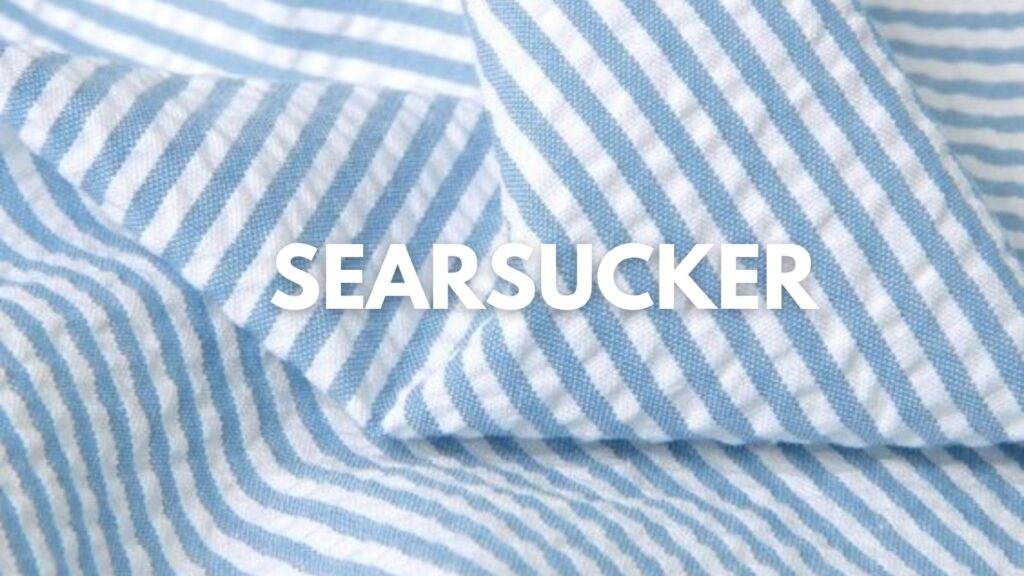
Seersucker is a lightweight fabric known for its signature puckered appearance and striped patterns. Originating in colonial India, the term “seersucker” comes from the Persian words “shir o shakar,” meaning “milk and sugar” — a nod to the fabric’s alternating smooth and textured stripes. Traditionally made from cotton, seersucker is now available in various blends, making it a versatile material for a range of uses.
What Makes Seersucker Unique?
The defining feature of seersucker is its unique weaving process, known as slack-tension weaving. This process creates a fabric that alternates between smooth and puckered stripes. The puckered effect, created by bunching threads during the weaving process, gives searsucker its distinctive texture and also enables better air circulation, making it an ideal fabric for warmer climates.
Seersucker vs linen
Seersucker and linen are both popular choices for summer wear due to their breathability and lightweight nature. While linen is known for its natural, elegant wrinkles and cooler feel, seersucker stands out with its textured, crinkled look that doesn’t require ironing. Linen tends to be more formal and smooth, whereas seersucker offers a more casual and quirky aesthetic. Both fabrics are absorbent and quick-drying, but seersucker’s puckered surface makes it less prone to noticeable wrinkling compared to linen.
The Pros and Cons of Seersucker Fabric
Pros:
- Breathable and lightweight, perfect for hot weather.
- Easy to care for; typically requires no ironing due to its crinkled texture.
- Versatile in fashion, suitable for both casual and formal wear.
Cons:
- The textured, striped look may not appeal to everyone’s taste.
- Limited wearability outside of spring and summer seasons.
- Can be perceived as less formal compared to smoother fabrics.
Uses in Fashion and Decor
In fashion, searsucker is a staple for summer wardrobes, commonly used for suits, dresses, shirts, and shorts. Its breezy, casual look makes it a favorite for beach and outdoor events. In home décor, seersucker is used for bedding, curtains, and cushion covers,
providing a light and airy feel perfect for warm-weather interior design. The fabric’s texture adds an interesting visual element to room aesthetics without overpowering other design features.
Seersucker Caring Tips
Searsucker is relatively easy to care for. To maintain its signature crinkled look, it’s best to wash seersucker in cold water and let it air dry. Avoid using hot water and high-heat drying, as these can damage the fabric’s texture. Ironing is usually unnecessary, but if needed, use a low heat setting and iron on the reverse side to preserve the puckered effect. Avoid bleach and harsh chemicals that can fade the fabric’s color and weaken its fibers.
Seersucker is more than just a fabric; it’s a symbol of comfort, versatility, and timeless style. With its unique texture, ease of care, and wide range of uses in both fashion and home décor, seersucker remains a beloved choice for those seeking a blend of practicality and elegance. Whether dressing for a summer event or refreshing your home interior, seersucker offers a charming and functional solution that transcends trends and seasons.
FAQ
Why are they called seersucker?
The term “seersucker” originates from the Persian words “shir o shakar,” which translates to “milk and sugar.” This name was chosen to describe the fabric’s distinctive texture, which is similar to the smoothness of milk and the bumpy texture of sugar. The fabric’s unique appearance comes from its alternating smooth and puckered stripes, which resemble the contrasting textures of milk and sugar. When seersucker was introduced to the English language, the original Persian phrase was adapted to a more phonetically familiar form, leading to the term “seersucker.”
Why is seersucker cool?
Seersucker is ideal for summer due to its lightweight and breathable nature. The fabric’s unique puckered texture allows air to circulate between the skin and the material, keeping the wearer cool. Additionally, its crinkled appearance makes it resistant to wrinkling, which is practical for warm-weather activities.
Is seersucker a southern thing?
Seersucker is strongly associated with the Southern United States, though it is not exclusively a Southern thing.
Is Seersucker Fabric Suitable for All Seasons?
Seersucker fabric is best suited for warmer seasons, particularly spring and summer. Its lightweight, breathable nature makes it ideal for hot weather, providing comfort and air circulation. However, its distinct texture and style are typically associated with summer fashion, making it less common in fall and winter wardrobes.
Can Seersucker Be Worn Formally?
Yes, seersucker can be worn formally, especially in warmer climates. Seersucker suits are a classic choice for summer weddings, garden parties, and other formal events during the hot months. The key to wearing seersucker formally is to ensure a good fit and to pair it with appropriate accessories.
Are There Different Types of Seersucker?
Yes, there are different types of seersucker. While traditional seersucker is made from cotton and features blue and white stripes, modern variations include different colors and patterns. Additionally, seersucker fabrics can also be found in blends with nylon or polyester, offering different textures and properties.